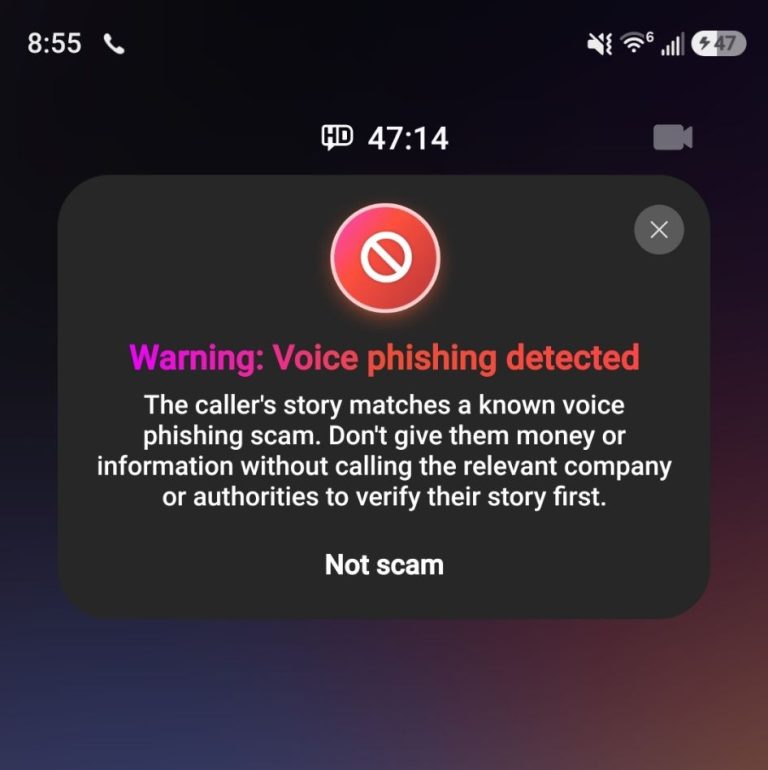
The Warning Randomly appeared midway through a guest booking for no clear reason
-
- The Veil Report •
- October 2, 2026

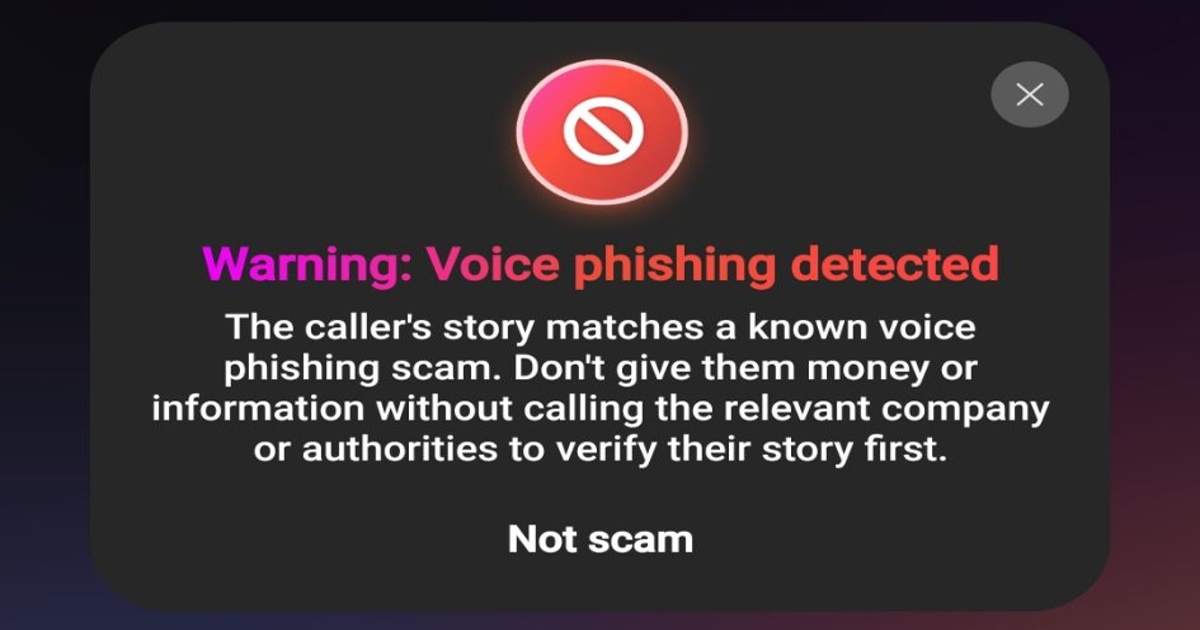
I was midway through a normal phone call, asking someone to come on The Veil Report, when his phone cut in and told him I was the scam.
Not a robocall. Not a bank. Not the IRS. A private conversation about a guest spot. Halfway through it, a warning landed on his screen: the person he was already talking to might be running a voice-phishing operation, and he should not give any information.
He read it to me while we were still on the line.
That is the whole incident. No one asked for a Social Security number. No one asked for a code. No one asked for money. The only thing on the table was a microphone and a time slot. The warning still fired, and it fired at the exact moment a potential guest was deciding whether to say yes.
The official story
Voice phishing, or vishing, is real. Scammers call pretending to be a bank, a carrier, or a government office, then push for a one-time code, a password, or a transfer. Carriers and phone makers now slap labels on calls they do not like: Scam Likely, Spam Risk, potential fraud. Those labels are probability scores, not verdicts. A number gets flagged because of complaint volume, dialing patterns, or a reputation hit, and the person on the other end is told to hang up and trust nothing. norton.com
That system exists. It also fails. Legitimate businesses get branded as fraud every day because a neighbor number was spoofed, or because an algorithm decided the call looked like traffic it had seen before. The label is a nudge. It is not proof.
What it is very good at is ending the conversation.
The timing